Column · @remingtonvuuk767
Why Basement Waterproofing Is Essential Before Finishing a Basement
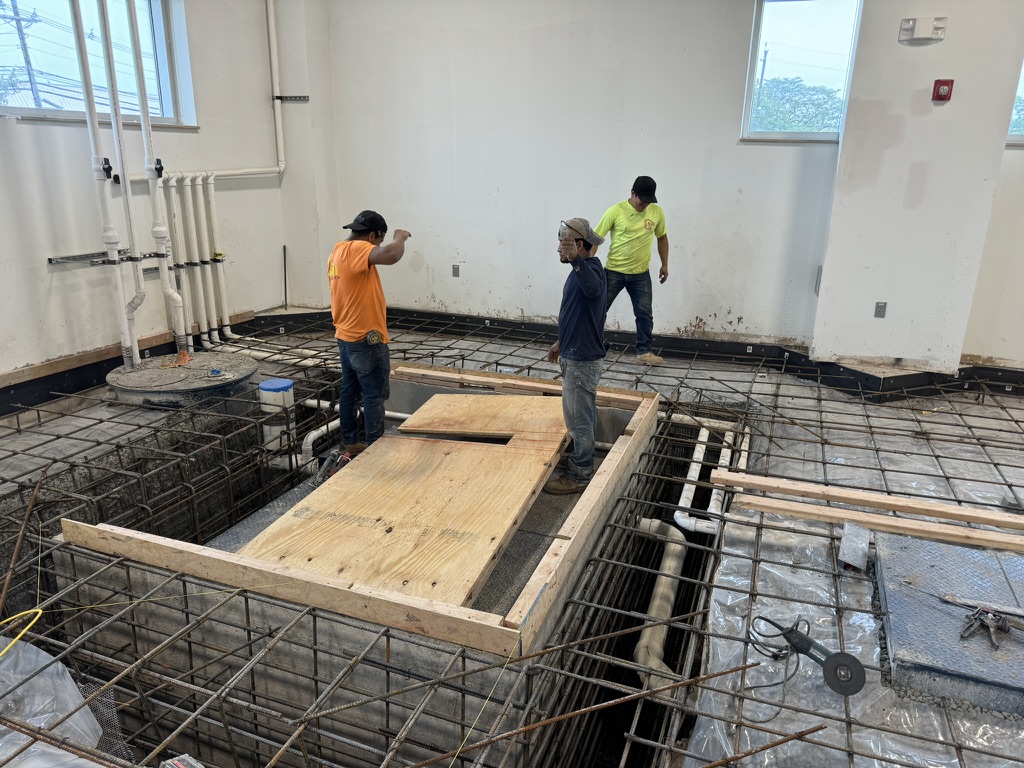
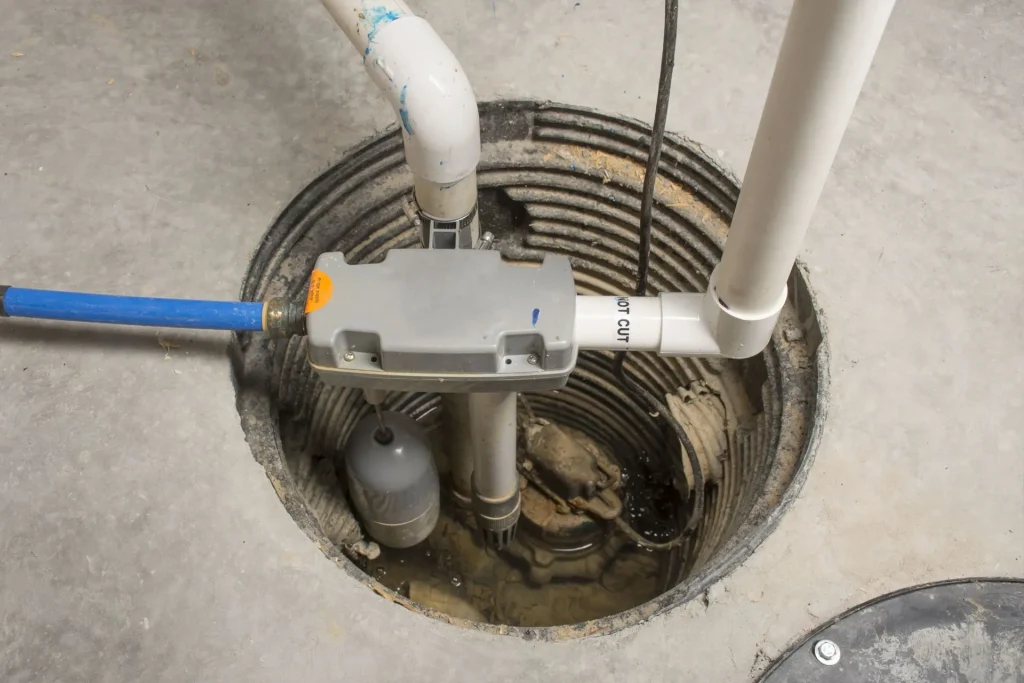

Finishing a basement is one of the most appealing ways to add usable square footage to a home. A bare concrete box can become a family room, guest suite, home office, gym, media room, or rental space. On paper, the math looks good. The footprint already exists, the structure is in place, and the cost per square foot is often lower than a major addition.
What many homeowners underestimate is how unforgiving below-grade space can be.
A basement does not behave like the rest of the house. It sits against soil that holds water, shifts with seasons, and pushes moisture inward even when there is no obvious leak. That matters because once drywall, flooring, insulation, trim, and furniture go in, small moisture problems stop being small. They become stains, odors, swollen baseboards, mold growth, damaged finishes, and expensive tear-outs.
That is why Basement Waterproofing should come before any framing plan, flooring sample, or paint color decision. It is not the glamorous part of the project, but it is the part that protects every dollar spent afterward.
A finished basement hides problems until they are expensive
An unfinished basement tells the truth. You can see damp spots on concrete, water marks on the wall, rust on the bottom of a furnace, white mineral deposits, or a hairline crack that darkens after heavy rain. Once the basement is finished, those same warning signs are covered.
That changes everything.
A small seep at the cove joint, where the wall meets the floor, may only leave a thin line of moisture on bare concrete. Cover that area with framing, insulation, and baseboard, and the moisture gets trapped in darkness with little airflow. Weeks or months later, the homeowner notices a musty smell, cupped flooring, or discoloration on drywall. By then, the problem is no longer just water intrusion. It is demolition, drying, possible microbial cleanup, and rebuilding.
I have seen basements where the owners insisted they had never had water. What they often meant was they had never seen standing water in the middle of the floor. That is a very different standard. Moisture does not need to flood a room to damage it. High humidity, occasional seepage, and seasonal condensation are enough to ruin finish materials over time.
A basement renovation tends to make a space more vulnerable, not less. Carpet pads hold moisture. Wood studs can wick it. Fiberglass insulation can trap it. Even luxury vinyl flooring, which is often marketed as waterproof, can conceal dampness beneath it. The finished look creates a false sense of security while making inspection harder.
Water pressure does not care how nice the room looks
The main technical reason Basement Waterproofing matters is hydrostatic pressure. Soil around a foundation absorbs and holds water. After rain or snowmelt, that moisture creates pressure against foundation walls and under the slab. Concrete is durable, but it is not a magic barrier. It can absorb moisture, transmit vapor, and crack. Mortar joints, tie holes, penetrations for utilities, and cold joints are common weak points.
If drainage outside the home is poor, the pressure increases. Gutters that dump near the house, downspouts without extensions, negative grading, compacted clay soil, and missing footing drains all make the basement work harder than it should.
Homeowners often focus on the dramatic image of a crack with water spraying through it. In practice, a lot of basement trouble is quieter. Moisture migrates through porous materials. Walls feel cool and slightly damp. The air smells earthy in July. Cardboard stored on the floor softens at the bottom. None of that makes for a dramatic emergency, but all of it matters before you close in the space.
Once you finish the basement, the stakes rise because finish materials are less forgiving than concrete. Painted drywall does not like repeated humidity swings. Engineered wood does not like moisture from below. Trim joints open and close. Fasteners corrode. If the space includes a bathroom or kitchenette, the complexity increases further because now plumbing and cabinetry may be affected too.
Waterproofing is not one product, and that distinction matters
One of the biggest mistakes in basement projects is treating waterproofing like a single item on a bid sheet. In reality, Basement Waterproofing can include several different strategies depending on what the https://shanewuss759.timeforchangecounselling.com/the-connection-between-gutters-and-basement-waterproofing home actually needs.
Sometimes the solution starts outside. The grade may need correction so surface water drains away from the house. Downspouts may need to discharge much farther from the foundation than they currently do. Window wells may need covers or better drainage. In some cases, excavation and exterior membrane work are justified, especially where walls are taking on significant water.
Other homes benefit from interior drainage systems, sump pump installation, vapor management, crack injection, or dehumidification. Older homes may never be perfectly dry by modern finished-living standards without a combination of measures. That does not mean the project is impossible. It means the diagnosis has to be honest.
A can of waterproof paint from the home center is not the same thing as a real waterproofing strategy. Coatings have their place, but they rarely solve the root cause by themselves. If water is pushing through a wall or slab, covering the surface may only delay the evidence.
The best approach usually begins with identifying where the moisture is coming from, how often it occurs, and under what weather conditions. A basement that gets damp every spring thaw is a different problem from one that stays dry except when a downspout clogs. A wall crack with intermittent seepage is different from whole-room humidity caused by poor ventilation and an unsealed slab.
The cost of skipping waterproofing is usually hidden at first
When budgets tighten, waterproofing is often the line item homeowners are tempted to trim. That instinct is understandable. Waterproofing work can feel invisible once it is done well. People would rather spend on recessed lighting, built-ins, a bar area, or a bathroom with nice tile.
The problem is that the least visible work often carries the highest protection value.
A fairly modest moisture issue can wipe out a surprising amount of finished work. Drywall removal, insulation replacement, trim replacement, flooring disposal, cleaning, drying equipment, repainting, and labor add up quickly. If the basement contains custom carpentry, soundproofing, or built-in media equipment, the financial hit is larger. Even when insurance enters the conversation, coverage can be limited, and repeated seepage is not always treated the same way as a sudden accidental event.
There is also the non-financial disruption. Families lose living space. Furniture gets moved upstairs. Contractors return for repairs that could have been avoided. A basement bedroom or office may become unusable for weeks. If the space was intended as a rental unit or in-law suite, income or planned occupancy can be affected.
Homeowners sometimes say, “We’ll finish it and see how it does.” That approach sounds practical until you remember that a finished basement makes troubleshooting harder. The more polished the room becomes, the more painful it is to open walls and pull up flooring.
Moisture affects air quality long before damage looks serious
One reason this issue deserves more attention is that basement moisture is not only a materials problem. It is also an indoor air quality problem.
Basements naturally have less sunlight and less air movement. When humidity stays elevated, organic materials become more hospitable to mold growth. That does not require standing water. Repeated dampness behind drywall or inside insulation cavities can be enough. Even if visible mold never appears on the room side of the wall, occupants may notice a stale smell or persistent heaviness in the air.
That matters more in finished spaces because people spend time there. A workshop or utility basement may get only occasional use. A family room, home office, playroom, or guest suite gets occupied for hours at a time. If the basement houses children’s toys, upholstered seating, books, rugs, or exercise equipment, moisture has more surfaces to affect.
Dehumidification helps, but it should not be asked to compensate for active water intrusion. A dehumidifier is a management tool, not a cure for poor drainage or foundation seepage. Used properly, it is part of the plan. Used alone, it often masks symptoms without addressing cause.
Some warning signs are subtle, and they are easy to rationalize
Not every basement with moisture issues has a puddle on the floor. More often, homeowners talk themselves out of what they are seeing.
They notice the paint bubbling in one corner, but only a little. They see white chalky residue on the foundation wall and assume it is old. They smell mustiness after a storm, then forget about it on sunny days. The carpet feels slightly cool near the perimeter. A storage bin develops mildew on the underside. None of these signs looks catastrophic by itself. Together, they form a pattern.
Here are five clues that a basement should be evaluated before any finishing work begins:
- Water stains, efflorescence, or darkened concrete on walls or slab
- Musty odors that intensify during humid weather or after rain
- Cracks in walls or floor that show signs of past seepage
- Rust on metal items stored low, including appliance feet or shelving
- Relative humidity that regularly stays high even with normal household use
These are not guarantees of major foundation trouble. They are signals that the space needs a proper moisture assessment before it gets wrapped in finish materials.
Material choices improve after the waterproofing plan is clear
A good waterproofing strategy does more than keep water out. It informs better renovation decisions.
For example, if an older basement remains slightly vapor-active even after drainage improvements, a contractor may avoid certain finish assemblies and recommend more moisture-tolerant materials. Rigid foam in the right application may perform better than fiberglass batts against a concrete wall. Raised subfloor systems may be worth the investment where comfort and moisture separation are priorities. Tile may outperform wood-look products in some zones. Base trim details can be selected to allow a little forgiveness and inspection access.
Without that context, homeowners and even some general remodelers make choices based on appearance first. The room may look excellent for a year or two. Then the environment catches up.
This is where experience matters. Basement finishing is not just interior design below ground. It is building science, drainage awareness, and practical judgment. The nicest basement projects are usually the ones where the invisible conditions were respected from the start.
Waterproof first, then finish with confidence
There is a psychological benefit to doing this in the right order. Once Basement Waterproofing has been addressed properly, the rest of the project becomes simpler to plan and easier to trust. The homeowner can invest in finishes without the nagging worry that the next heavy rain will test the room.
That confidence is not abstract. It affects how the basement is used. People are more likely to furnish it well, store valuable items there, or use it as daily living space when they believe the shell of the room is sound. They are also less likely to overreact to ordinary basement conditions, such as cool temperatures, because the bigger moisture risk has already been managed.
A basement does not need to become a bunker or a laboratory. It just needs to be treated realistically. Basements are below grade, so they deserve assemblies and systems designed for that environment.
The order of operations can save thousands
When homeowners ask when waterproofing should happen, the answer is simple: before insulation, framing, flooring, millwork, and most electrical finish work. If significant drainage or foundation repairs are needed, those come first. It is far cheaper to correct the shell than to remove new finishes later.
A practical sequence often looks like this:
- Inspect the basement during or soon after wet weather if possible
- Correct exterior drainage issues such as grading and downspouts
- Repair cracks, install drainage measures, and address sump needs as required
- Verify moisture conditions over time, not just on one dry day
- Finish the basement with materials suited to below-grade space
That sequence is not glamorous, but it is disciplined. It reduces guesswork and helps prevent the common mistake of building over unresolved conditions.
Older homes need extra care, not automatic alarm
Many older homes have basements that were never intended to function as finished living space by modern standards. Stone foundations, block walls, thin slabs, and limited perimeter drainage are common in certain housing stock. That does not automatically mean the basement cannot be finished. It means expectations and methods need to match the building.
An older basement may need more breathable assemblies, better humidity control, and selective rather than aggressive enclosure. Sometimes a partial finish is smarter than wall-to-wall drywall. Mechanical rooms, service access, and perimeter inspection zones should not be afterthoughts. A little restraint can make the finished space more durable.
This is where homeowners benefit from candid advice rather than a sales pitch. Not every basement should be finished to the exact same standard. A house with a history of chronic seepage may need a more robust solution or a different design concept than a newer home with only minor humidity issues.
Basement waterproofing also protects resale value
A finished basement can help resale, but only if buyers trust it. Savvy buyers notice damp smells, fresh paint in suspicious places, and brand-new flooring in a basement with no explanation. Home inspectors notice too. If a basement has obvious signs of moisture after being recently renovated, buyers start wondering what is hidden behind the walls.
On the other hand, documented Basement Waterproofing work, sump installation, exterior drainage improvements, or professionally repaired cracks can strengthen confidence. Buyers do not expect a basement to defy physics. They do expect the homeowner to have dealt with known risks responsibly.
There is a difference between finishing a basement and truly adding durable living space. Waterproofing is what makes that distinction credible.
A beautiful basement starts with a dry one
The most successful basement projects are usually not the ones with the fanciest finishes. They are the ones that still look and smell right years later. Drywall stays crisp. Floors stay flat. Trim stays tight. The room feels like part of the house, not like a gamble under it.
That result begins long before the first sheet of drywall goes up. It begins with respecting water, understanding pressure, and addressing moisture where it starts. Basement Waterproofing is not a decorative upgrade, but it is the upgrade that protects every other decision in the room.
If a basement is going to become real living space, it has to earn that role. Waterproof it first, and the rest of the investment stands on much firmer ground.
ARD Waterproofing
98 Smull Ave, West Caldwell, NJ 07006, United States
+1 917-691-8411
FAQ About Basement Waterproofing
Can you 100% Waterproof a Basement in West Caldwell?
A properly designed system can substantially reduce basement water intrusion, but no method can promise protection against every flood, equipment failure, or future change in site conditions. The first step is identifying whether moisture comes from surface runoff, groundwater, plumbing, or condensation. Solutions may include grading and gutter improvements, drainage, foundation repairs, and a sump system. Review the specific coverage and exclusions of any written warranty.
How much does it cost to professionally waterproof a basement in NJ?
There is no single price that fits every basement. Cost depends on the cause of the leak, the area needing work, access, excavation requirements, drainage design, sump equipment, and restoration of disturbed finishes or landscaping. Request an on-site assessment and an itemized written estimate that explains the scope, exclusions, and maintenance requirements before comparing proposals.
How long does foundation waterproofing last in West Caldwell, NJ?
Service life varies with the waterproofing materials, installation quality, soil and water conditions, and maintenance. Drainage components and pumps may require servicing or replacement even when other parts of the system remain functional. Keep gutters, drainage outlets, and sump equipment maintained, and have recurring leaks or changes in foundation condition assessed. Ask for product-specific expectations and written warranty terms rather than relying on one lifespan for the entire system.